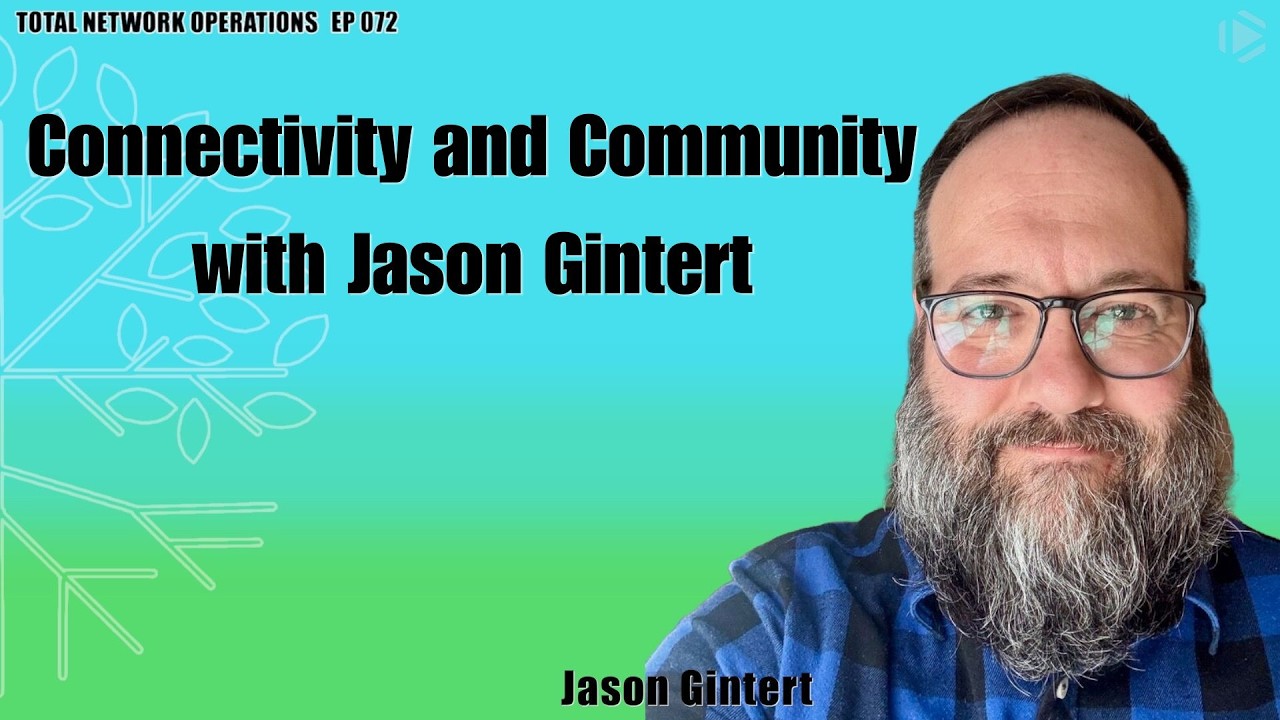
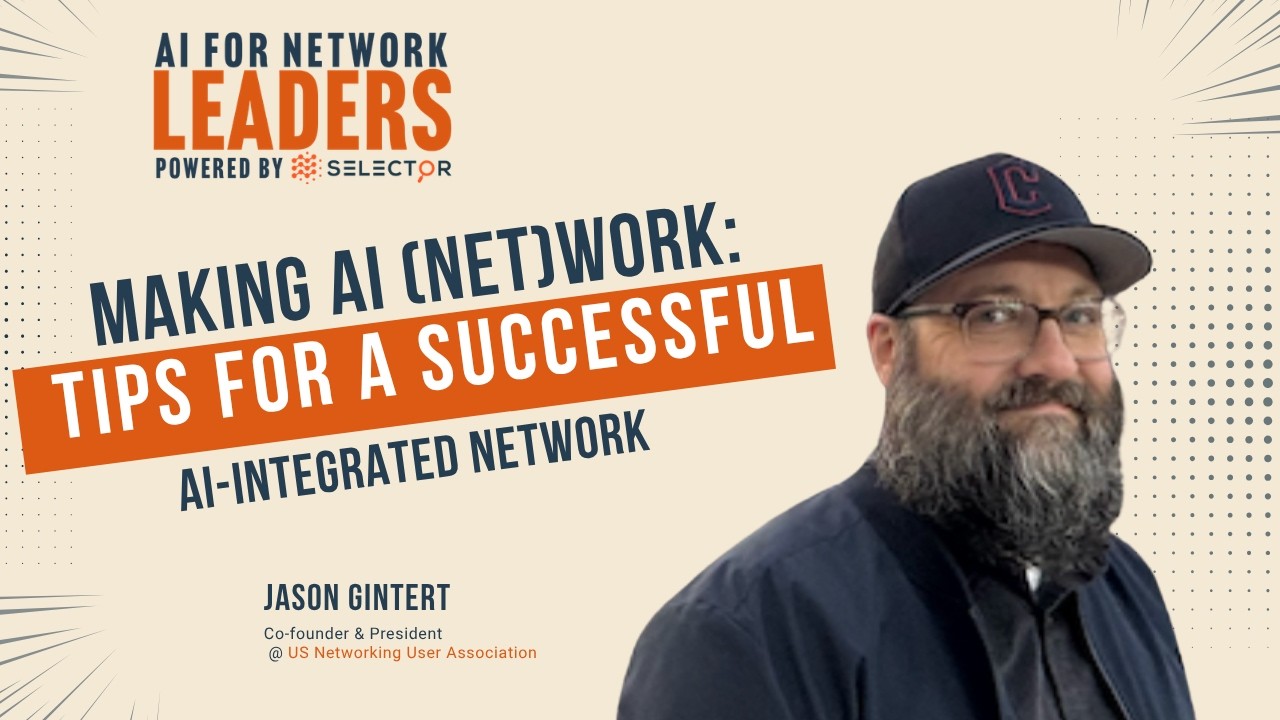
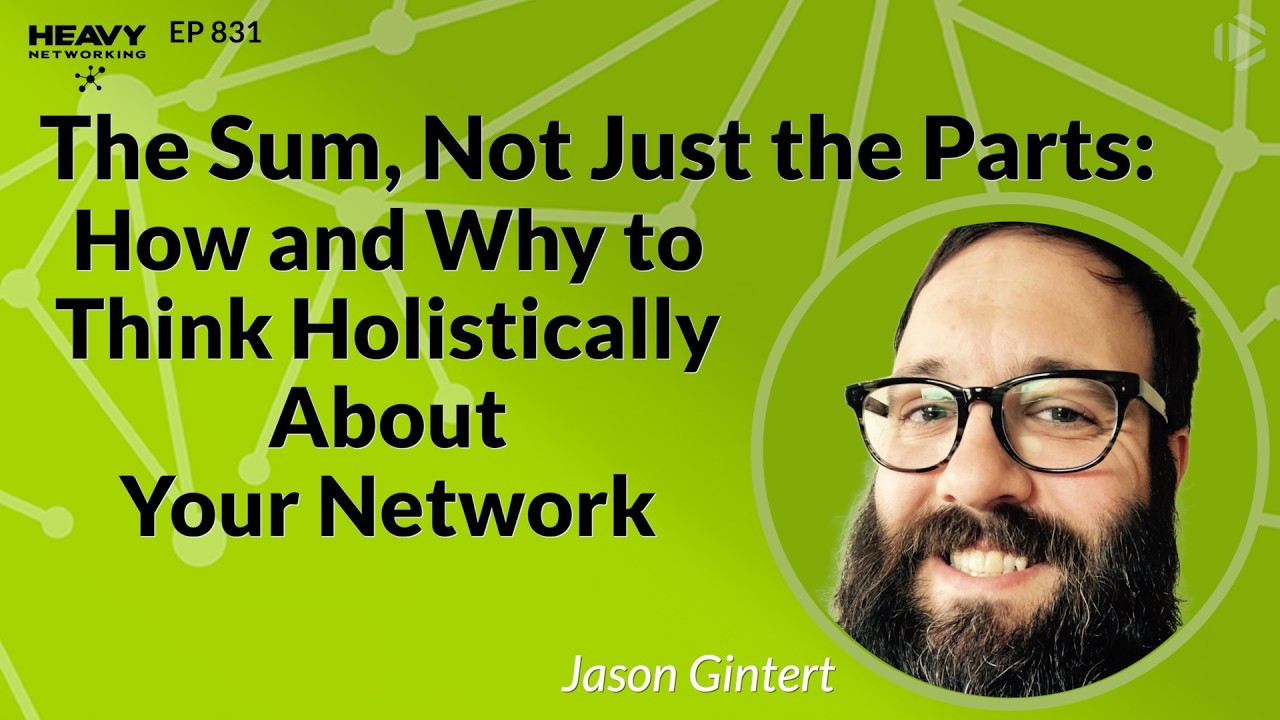
Tech Careers Are Built on Relationships, Not Resumes
Recorded in person with Andy Lapteff at Networking Field Day 40. How the USNUA went from fifteen people in a Cleveland restaurant to 33 chapters, and why getting in the room still beats anything you can put on a resume.
 6 May 2026 · 3 min read
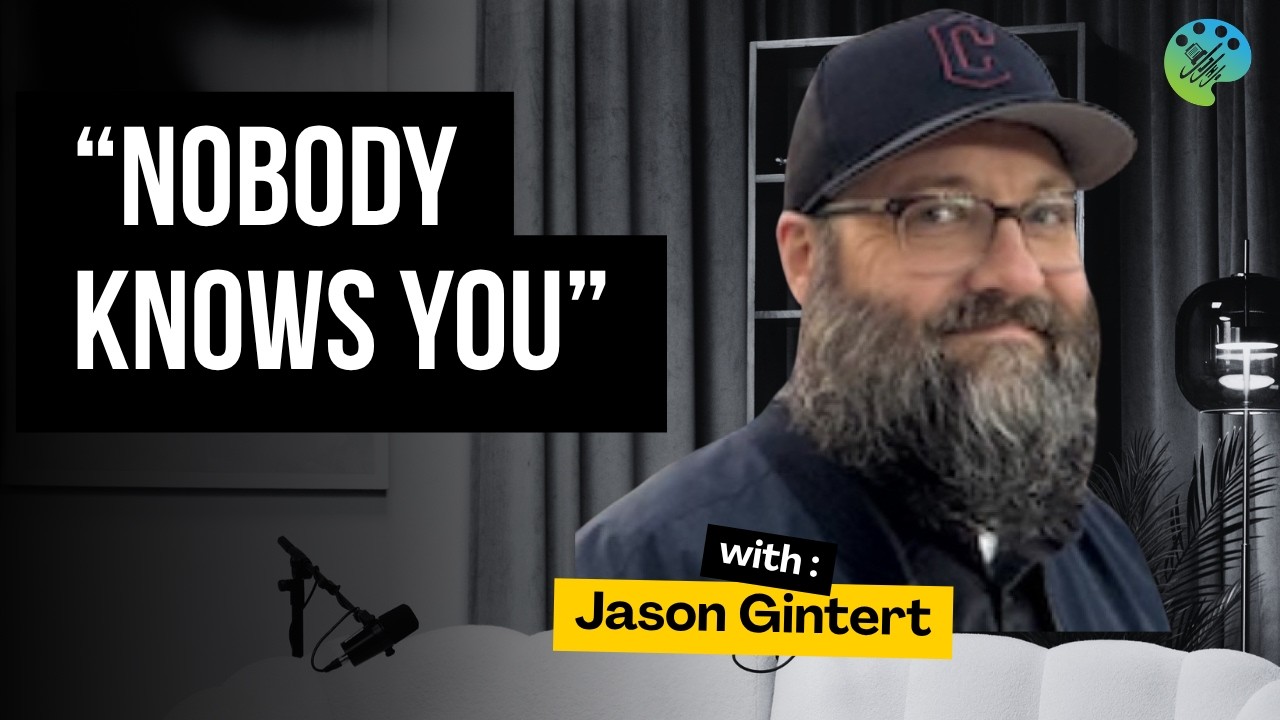
The Art of Network Engineering. Published 6 May 2026. Host: Andy Lapteff. Recorded in San Jose during Networking Field Day 40.
Andy brought the gear to NFD40 so we could record face to face, which was the right call for a conversation about why being in the room matters.
Fifteen people in a restaurant
There were user groups for VMware and Linux, and there were Cisco and Palo Alto user groups, but nothing vendor-neutral for networking as a whole. So in 2017 we started the Ohio Networking User Group. Fifteen people turned up to the first one in Cleveland. By the end we were rotating through Cincinnati, Toledo, Columbus and Cleveland with over a hundred people at an event.
Then COVID shut it down, and we used the time to turn what worked in Ohio into a template anyone could run. That became the USNUA. At the time of this conversation we were at 33 groups, had just launched Pittsburgh, and had six more coming this year. Andy runs the Philadelphia group, which pioneered the lightning-talk career day format other chapters are now copying.
There is no free lunch, but there is free food
Andy pushed on the vendor question, and it deserved pushing. Plenty of "thought leadership lunches" are sales pitches in disguise. Our answer is that sponsors fund the events and get brand awareness: they are in the room, they can say what problem they solve, and if that is interesting to you, you opt in. Gold and platinum sponsors get a Spark Talk, five minutes to introduce themselves and then let people come find them. We want to be a good matchmaker, not a captive audience.
Ben, Patrick, and the guy who built his own ISP
Andy told two stories worth repeating. Ben came to the New York NUG with an Art of Network Engineering shirt for Andy to sign, was working helpdesk and trying to get into networking, and left with an introduction to someone who was hiring. He is a network engineer at an ISP now. Patrick drove up from Maryland to the PA NUG, and three people sat with him for half an hour working on his resume. When he said there was nothing where he lived, the answer was: you can create the community you are looking for.
Mine is from the Massachusetts group. A sharp young guy had built his own ISP, multi-homed with IPv6 he had applied for himself. He met a vendor in that room, got an internship, and turned it into a full-time job. Every event opens by asking who is hiring. In Toledo four hands went up.
Putting the human back in
I had just written a piece for the USNUA blog on this. The research on loneliness is not subtle; one study puts it on par with fifteen cigarettes a day. And hiring has become an arms race, applicants using AI to mass-apply and employers using AI to filter, with the human element squeezed out in the middle. Somebody took a chance on every one of us. Anyone who has done real hiring knows attitude and willingness to learn matter more than the skills on the page, and you cannot see those on a screen.
Starting a chapter costs nothing but your time: find a space, find a sponsor, round up your friends. If you are an introvert, put your career ahead of your discomfort for thirty minutes. Get a drink, talk to one person, and decide whether to stay. And if you are early in your career, nobody in that room is judging you for not knowing the LSA types. We need you. There is a shortage, and at some point we have to hand this to the next generation.